My Ireland


糟糕......没有互联网连接
您在离线时仍可以将项目添加到信息板。新的旅行建议仅在您重新上线后才会显示。
没有实体位置的项目不会显示在地图视图中。
您的信息板似乎是空的


收藏封面图像
共享您信息板的人可以看到



位置权限
- 查看附近的优惠
- 查看与您位置相关的旅行灵感
- 获取当地天气预报和重要信息









隐私
我们非常重视您的隐私,只有在您允许的情况下才会处理您的数据。在可能的情况下,我们会以匿名方式处理您的数据,而且我们存储您的数据绝不会超过必要的时限。如需详细了解我们如何处理您的个人数据,请阅读我们的隐私政策。
重置您的信息板
这将从您的信息板中删除您之前标示为“喜欢”的所有项目。请注意,您不能撤销此操作。
User
位置权限
- 查看附近的优惠
- 查看与您位置相关的旅行灵感
- 获取当地天气预报和重要信息
重置您的信息板
这将从您的信息板中删除您之前标示为“喜欢”的所有项目。请注意,您不能撤销此操作。




In 1884, a group of Irishmen led by Michael Cusack met in Thurles, County Tipperary, with the aim of preserving and cultivating Ireland’s national pastimes. Thus the Gaelic Athletic Association (GAA) was formed. Today, the organisation promotes the traditional Irish sports of Gaelic football, hurling, camogie, handball, and rounders and has over 500,000 members worldwide.
The GAA is headquartered in Croke Park in Dublin. With a capacity of 82,300, it’s Ireland's largest sporting arena! It’s the perfect place to watch an All-Ireland Football or Hurling Championship match if you’re visiting the city over the summer months.
Even when matches aren’t on, it’s a top tourist attraction in the city, as visitors can enjoy the GAA museum, a stadium tour, and even a skyline tour on a rooftop walkway atop the stands! The panoramic views of Dublin below are simply breathtaking.
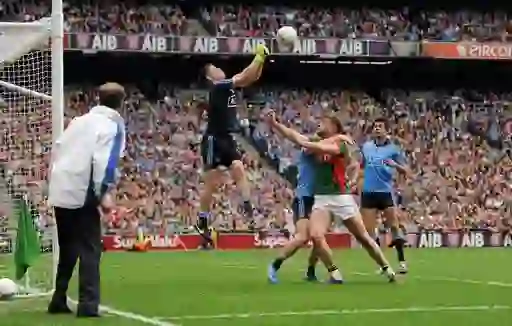

Gaelic football
Gaelic football
Gaelic football is commonly known as Gaelic, GAA, or football in Ireland. It’s a field sport played by two teams comprising 15 players each. It’s hugely popular around the island, with school teams, club teams, and county teams competing at numerous ages.
Each year, counties compete against each other to lift the Sam Maguire Cup and be crowned All-Ireland Champions. Top venues to catch an inter-county game include the Gaelic Grounds in County Limerick and Páirc Uí Chaoimh in County Cork.
Ladies’ Gaelic football is organised by the Ladies’ Gaelic Football Association. The rules are largely the same in both the male and female versions of the sport, with speed, strength and teamwork being key to success in this adrenaline-fuelled game.
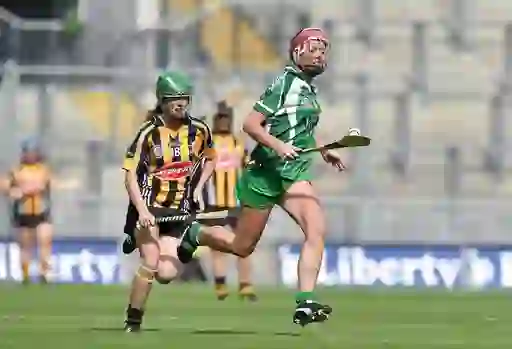

Camogie
Hurling and camogie
Hurling is another extremely popular native game which shares many of the same rules and regulations as Gaelic football, such as the field, teams, number of players, goals, and scoring system (one point for a shot over the bar, three points for a goal). It differs from football in that it’s a stick and ball game, with players using a wooden stick called a hurley to hit a small ball called a sliotar.
The annual All-Ireland Championship pits counties against one another as they aim to lift the Liam MacCarthy Cup as All-Ireland winners.
The female variant of the game is called camogie and it’s organised by the Camogie Association. The name comes from the Irish word “camóg” which refers to the stick used to play.
Both hurling and camogie are listed by UNESCO as an element of Intangible Cultural Heritage.
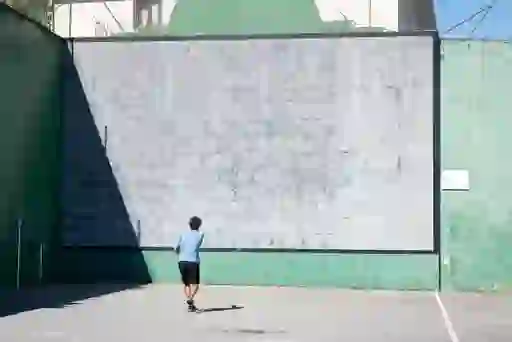

Handball
© Shutterstock
GAA Handball and rounders
Ireland’s other native games are handball and rounders. While they’re more niche pastimes than the sports already mentioned, both nonetheless play an important part in the island’s sporting heritage, having been included in the original GAA charter back in 1884.
Handball is a ball and wall game that comes in many variations around the world. In Ireland, there are four codes: One-Wall, Four-Wall, Softball, and Hardball. Playing in singles (1v1) or doubles (2v2), the action involves competitors striking a small ball against a wall. Flexibility and bilateral coordination are key skills needed to win.
The earliest written reference to a handball-like game in Ireland can be found in the early 1500s, but archaeological findings suggest an ancient version of the game goes back as far as Celtic times!
Rounders is a bat and ball game played between two teams on a field, and involves hitting a small, hard ball with a bat in order to run around bases to score points. As well as being popular in schools, there are dozens of club teams around the island of Ireland who take part in various championships each year.
Rounders dates back hundreds of years in Ireland and England, and it’s generally considered to have been brought over to America by early settlers before morphing into baseball. It’s yet another example of the historic links Ireland has to the United States.